How History Turned Food Into a Cultural Identity in France
Why is food so good in France? For anyone on a food tour in Paris, the answer becomes clear quickly
not just good, but meaningful. The answer isn’t technique alone, or recipes passed down through generations. It’s history. In France and especially in Paris, food has always been tied to daily life, power, social order, and collective memory. Long before French cuisine gained international recognition, food was already shaping the city’s function and the way people related to one another. Food didn’t become cultural over time. It was cultural from the beginning. If you want to understand Paris beyond the surface, its history, its culture, and the forces that shaped it, our destination tours are where that journey starts.
Roman Foundations (1st–3rd Century): Food as Civic Infrastructure
When the Romans settled in Lutetia in the 1st century CE, they approached food as a matter of organization and stability.
They built public ovens, making bread a shared civic responsibility rather than a private one. Grain was supplied, bread was produced collectively, and the population was fed regularly. This wasn’t symbolic it was essential infrastructure.
The Romans also introduced viticulture, integrating wine into everyday consumption. Local Gallic innovation followed with the use of oak barrels, which allowed wine to age, travel, and improve. This combination laid the groundwork for France’s long relationship with wine as both daily nourishment and cultural marker.
From the start, food in Paris was public, structured, and shared.
Medieval Paris (12th–15th Century): A City Built Around Markets
By the 12th century, Paris was one of Europe’s largest cities and feeding it shaped its geography.
The Seine became the city’s primary trade route. Grain, fish, wine, salt, and spices arrived by river, connecting Paris to regional and international networks.
At the center stood Les Halles, established by King Philip II. For centuries, Les Halles functioned as the general market of Paris. Prices were fixed here. Shortages were felt here first. Social tension often surfaced here.
Everyone depended on Les Halles farmers, merchants, cooks, innkeepers, servants, and households across all social classes.
Today, Les Halles is no longer a food market. It is a major transit hub, shopping center, and public garden. Yet it remains a place of movement and convergence a reminder of its historical role at the heart of the city.
Food also extended beyond fixed markets. Street vendors sold prepared dishes throughout Paris, reinforcing a culture where eating was public, visible, and woven into everyday life.
The Court and Refinement (16th Century): Food as Power and Order
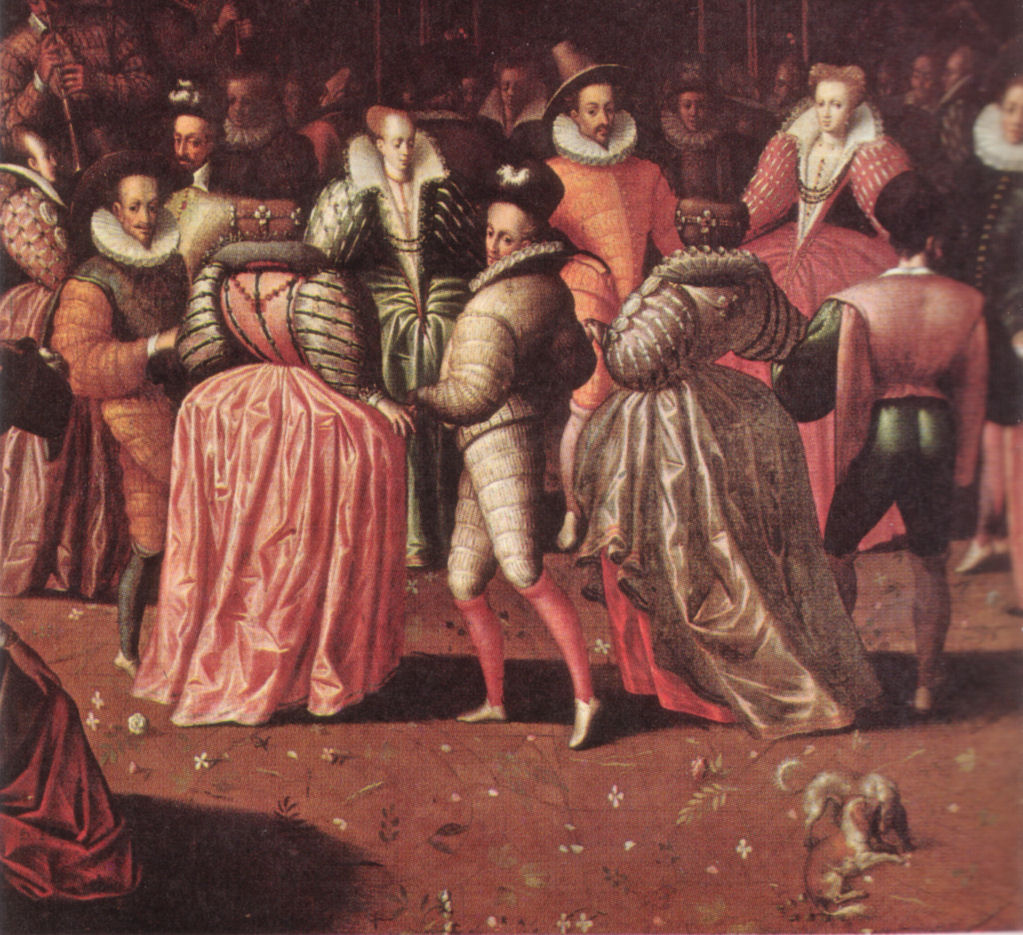
By the 16th century, French cuisine was already established, but food at court took on a new function: it became a language of power.
Catherine de’ Medici, played a key role in formalizing court dining. Meals became structured. Table settings mattered. The use of forks spread at court. Private chefs gained prominence. Desserts evolved into deliberate expressions of balance and refinement, laying early foundations for France’s pastry tradition.
Refinement was no longer about excess.
It was about order, harmony, and control.
Influences came from Italy, but France transformed them into a lasting cultural framework. Elegance became a value, not a performance.
Hunger and Revolution (1789): When Food Drove History
Food has always revealed truth in France.
By the late 18th century, bread accounted for a majority of daily calories. When harvests failed and flour prices rose, hunger spread rapidly.
In October 1789, the Women’s March on Versailles, led largely by market women demanding bread, became one of the defining moments of the French Revolution. and the palace that witnessed it all still stands today. Explore its storied halls and gardens on our Versailles private tour, where history comes to life.
This was not ideology it was survival.
The Revolution was driven not only by political ideas, but by food insecurity. When people could not eat, the social contract broke.
In France, food has always been political because it has always been essential.
After the Revolution (19th Century): Food Becomes Public Again
Following the abolition of guilds, chefs were freed from aristocratic households. Cooking moved into public life.
Restaurants emerged as places where anyone could eat. Cafés followed, becoming spaces for conversation, debate, and social exchange. By the early 19th century, bistros and open-air dining were firmly part of Parisian life.
Food once again became a shared social experience. In 2010, UNESCO recognized the French gastronomic meal as an Intangible Cultural Heritage of Humanity a testament to how seriously France takes its food culture.
Why Food Still Matters So Much in France Today
French food culture endures because it has been actively protected, transmitted, and refined over centuries.
Medieval knowledge preservation, fermentation, slow cooking was never abandoned. It evolved as agriculture improved and ingredients became more precise.
Historic foods were not only remembered; they were safeguarded. Bread is the clearest example. The baguette is regulated by law. Ingredients, method, and production matter.
The same is true for wine, cheese, butter, and regional products protected through systems such as AOC and AOP, which preserve origin, technique, and identity.
These protections are not nostalgia.
They ensure continuity.
French food survived revolutions, shortages, industrialization, and globalization because it adapted without erasing itself.
That is why food in France still feels different.
It is not just well made.
It is rooted, protected, and shared.
In France, food is not only enjoyed.
It is inherited.
Experiencing This History on a Food Tour in Paris
A food tour in Paris is a way to experience this history firsthand.
Markets, bakeries, cafés, and everyday products carry centuries of meaning. Tasting them becomes a way to understand how food shaped French culture and why it still matters today.
Food doesn’t just tell the story of France.
It invites you into it and our private food tours are your way in. There is no better way to understand this than on a food tour in Paris, where every market, bakery, and café becomes a chapter in a story centuries in the making.